

 0
0
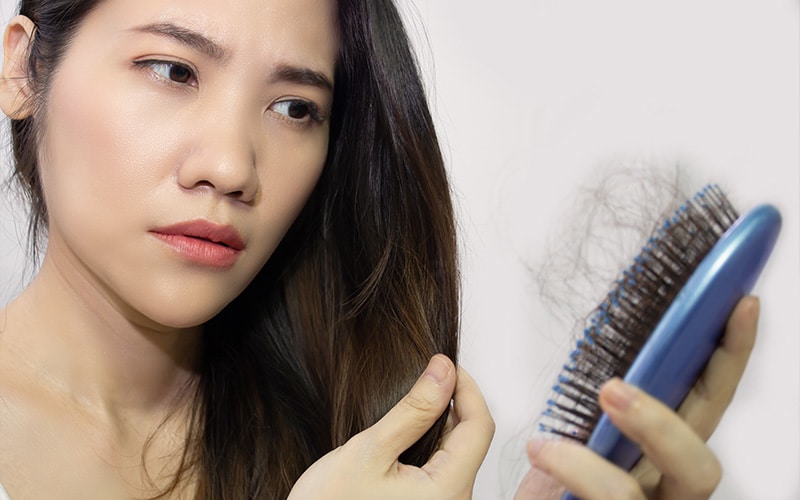
For many women, menopause marks a significant life transition, bringing with it a whirlwind of physical and emotional changes. One of the most distressing changes, however, is hair loss. According to a study, 52.2% of post-menopausal women suffer from female pattern hair loss (FPHL), or androgenetic alopecia, which commonly appears as gradual thinning across the top of the scalp or a widening part.
In our experience, hair loss after menopause can result from a combination of hormonal changes, ageing, and lifestyle factors. At Bee Choo Origin, we assess the hair and scalp to identify visible concerns such as thinning, oiliness, dryness, or buildup, and recommend suitable scalp care based on our observations.
It is important not to assume that menopause is the only cause of your hair loss or thinning. Here are some possible causes we will consider:
One of the main reasons for hair loss after menopause is the change in hormone levels. As oestrogen and progesterone decline, the hair growth cycle can become shorter, meaning strands spend less time actively growing and may become finer over time. At the same time, the relative influence of androgens may become more noticeable, particularly in women who are genetically predisposed to thinning.
If close family members have experienced gradual thinning, you may be more likely to notice similar changes yourself. Ageing also naturally affects the hair growth cycle, with follicles producing finer strands and hair density gradually decreasing.
Menopause can also coincide with periods of poor sleep, stress, dietary changes, or other health concerns, all of which can affect the hair growth cycle. For example, prolonged stress can contribute to increased shedding, while nutritional deficiencies may affect the quality of new hair growth.
If shedding begins suddenly, becomes severe, or is accompanied by other symptoms, we recommend speaking to a doctor. Conditions such as thyroid disorders, iron deficiency, and other underlying health issues can also contribute to hair loss and may require medical assessment.
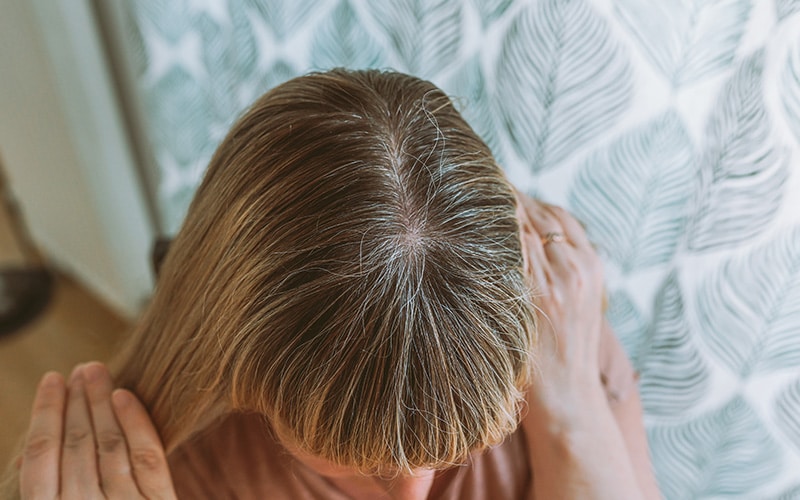
Hair loss or thinning caused by hormonal changes during menopause often develops gradually. You may notice:
The symptoms may also differ from one individual to another. For example, some women tell us they are not necessarily seeing more hair in the shower drain, but their scalp has become more visible over time. In these cases, they may be experiencing hair thinning after menopause, which is different from rapid or patchy shedding.
When clients ask us how to prevent hair loss, we explain that no routine can completely stop age- or genetically related thinning. What you can do is reduce unnecessary damage and breakage, or create a healthier scalp environment to help encourage hair growth.
After menopause, hair often becomes finer, drier, and more prone to breakage. We recommend limiting tight hairstyles, repeated high-heat styling, and aggressive brushing, especially when the hair is wet and more vulnerable to breakage.
During and after menopause, lower oestrogen levels can reduce sebum production, which may leave the scalp feeling drier, tighter, or more sensitive than before. However, some women may still experience oiliness and buildup, especially in Singapore’s hot and humid climate.
In addition to choosing a natural, sulfate-free hair shampoo for hair loss, you should also select a formula that suits your current scalp condition. For example, if your scalp feels dry or easily irritated, a gentler shampoo may help reduce further discomfort. If oiliness and buildup remain a concern, look for a formula that cleanses effectively without leaving the scalp feeling stripped.
Hair follicles need adequate protein, iron, zinc, and other nutrients to produce healthy strands. If your diet is consistently low in protein or iron, for example, hair may grow more slowly or shed more easily.
We recommend including protein sources such as eggs, fish, tofu, and lean meat, alongside iron-rich foods such as leafy greens, legumes, and red meat. If you suspect a deficiency, speak to a doctor before starting supplements, as a blood test can help confirm what you actually need.
If your hair loss after menopause is accompanied by thinning, dryness, oiliness, or other scalp concerns, a professional hair and scalp treatment can provide more targeted care than relying on home products alone.
At Bee Choo Origin, our treatments for female hair loss combine traditional Chinese herbal ingredients with modern hair and scalp care. We use natural herbs without synthetic additives or preservatives to help nourish the scalp, improve its overall condition, and create a more supportive environment for healthier-looking hair. For hereditary thinning, our treatments are designed to care for the scalp and hair follicles as part of a longer-term management approach.
Before recommending a treatment, we will first consider your scalp condition and hair concerns. Many of our customers also choose to continue treatments regularly over several months, as changes in scalp condition and hair density generally take time to assess.
Since stress can contribute to increased shedding, pay attention to how well you rest and recover during and after menopause. Regular exercise, sufficient sleep, relaxation techniques, and time to unwind can help you manage stress more consistently. If stress or sleep problems persist and begin to affect your daily wellbeing, it may be worth speaking to a healthcare professional.
Post-menopausal hair loss can be difficult to manage, especially when it starts to affect how confident you feel about your appearance during an already emotional time of your life. Rather than waiting for the thinning to become more noticeable, paying attention to changes early can help you decide whether simple adjustments to your routine are enough or whether it is time to seek a closer assessment.
With more than 25 years of experience in hair and scalp care, Bee Choo Origin combines traditional herbal knowledge with modern technology to provide targeted scalp treatments using natural ingredients. During a scalp assessment, we look at visible concerns such as oiliness, dryness, buildup, sensitivity, and thinning patterns before recommending care suited to your current scalp and hair condition. Depending on what we observe, this may include a suitable in-salon treatment and adjustments to your home-care routine to help address concerns such as scalp imbalance, thinning, and more.
If you are concerned about hair loss, book an appointment for a professional scalp assessment and personalised recommendations.
Not always. Whether the thinning is temporary or long-term depends on the cause. Hair loss linked to stress, nutritional deficiencies, or certain health conditions may improve once you address the underlying issue. Female pattern hair loss, however, is usually progressive, so early assessment can help you understand what type of hair loss you may be experiencing.
Yes, menopause-related thinning more commonly affects the top and crown of the scalp rather than causing a sharply receding hairline. If you notice significant recession around the temples or front hairline, especially together with scalp redness, itching, or tenderness, we recommend speaking to a dermatologist to rule out other forms of hair loss.
There is no fixed timeline. Some women notice gradual thinning over several years, while others experience periods of increased shedding that later stabilise. If your hair continues to become noticeably thinner over time, tracking the changes and seeking a professional or medical assessment can help identify what may be contributing.