

 0
0
Dandruff is more than a cosmetic bother: it can affect how you feel about yourself, the way you interact with others, and even how you style your hair. In Singapore’s humid, tropical climate, persistent flaking and itchiness are especially common because heat and humidity can increase scalp oiliness and sweat, creating a favourable environment for fungal growth and irritation. While many people reach for a quick anti-dandruff shampoo or a home remedy, a thoughtful, consistent approach that addresses the root cause will always deliver better, longer-lasting results.
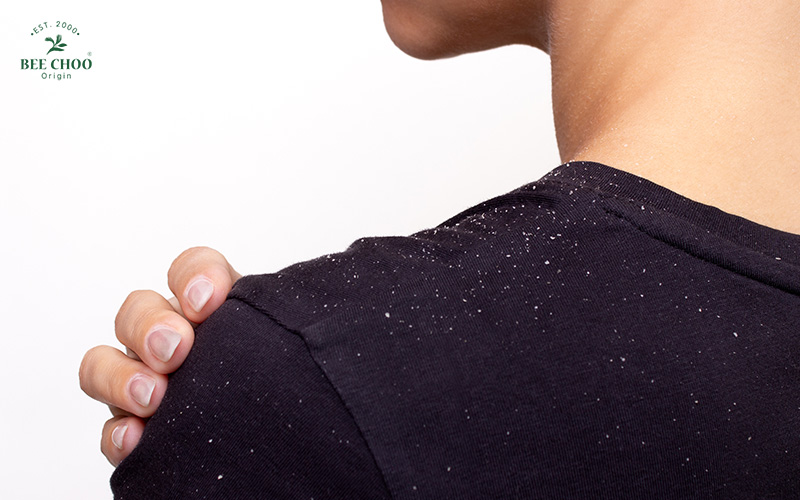
This article explains the science behind dandruff, the common and overlooked triggers, and a comprehensive set of strategies you can use to learn how to get rid of dandruff permanently, or at least manage it well enough that it stops dictating your daily routine. Throughout this guide we focus on realistic steps that suit Singapore’s climate and everyday life.
What is the reason for dandruff? In simple terms, dandruff happens when your scalp sheds skin cells faster than usual, causing them to clump together and appear as visible white or yellowish flakes.
Everyone’s scalp naturally sheds dead skin cells. Most of the time, these flakes are so tiny that you do not notice them. But when the scalp becomes irritated, oily, dry, or sensitive, this renewal process can speed up. Instead of falling away quietly, the skin cells build up, stick together, and show up on your hair, shoulders, or scalp.
This is sometimes linked to the rapid reproduction of skin cells, especially when the scalp reacts to excess oil, dryness, or naturally occurring microbes. Once this happens, you may also notice itchiness, tightness, or a greasy feeling on the scalp.
Understanding this process makes it easier to see why dandruff can have different triggers. For some people, it starts with oil and fungal overgrowth. For others, it may be dryness, harsh hair products, stress, or scalp sensitivity. That is why the best way to manage dandruff often depends on what is causing your flakes in the first place.
If you have been asking, “Why do I have dandruff?” the answer usually lies in how your scalp produces oil, sheds skin cells, and reacts to everyday triggers. Dandruff can look simple on the surface, but the cause can differ from person to person.
For some, flakes appear because the scalp is too oily. For others, dryness, harsh products, stress, or certain skin conditions may be involved. Understanding the likely trigger is the first step to choosing the right care routine.
One of the most common causes of dandruff is Malassezia, a yeast-like microbe that naturally lives on the scalp. In small amounts, it is normal. But when there is too much oil on the scalp, this naturally occurring fungus can become more active.
Malassezia feeds on sebum, the oil produced by your scalp. For some people, this can lead to irritation, itchiness, inflammation, and faster skin cell turnover. When skin cells shed too quickly, they clump together and become visible flakes.
This is why dandruff is often linked to an oily or greasy scalp, not just a dry one. If your flakes feel oily or yellowish, or if they come with itchiness, fungal overgrowth may be one of the reasons behind them.
Oil plays a big role in dandruff because it gives Malassezia more to feed on. Androgens, for example, can increase sebum production, leading to greasier scalps and higher chances of fungal overgrowth.
This is also why dandruff may start during puberty or change during different life stages. When hormones affect oil production, the scalp can become greasier than usual, making it easier for flakes and itchiness to appear.
If your scalp becomes oily quickly after washing, or your flakes look larger and greasier, excess sebum may be part of the issue. In this case, the goal is not to strip the scalp aggressively, but to keep oil levels balanced with gentle, consistent care.
A dry scalp often produces small, white, powdery flakes and may feel tight or uncomfortable. This can happen when the scalp lacks sufficient moisture or when its natural barrier is weakened by harsh cleansers, frequent washing, or dry indoor air.
In Singapore, the scalp often has to cope with both humidity and air-conditioning. Outdoor heat can lead to sweating and oil buildup, while long hours in air-conditioned rooms may dry out the scalp. This back-and-forth can leave the scalp feeling unbalanced.
Pollution, sun exposure, and frequent perspiration can also make the scalp more reactive. If your flakes are fine, dry, and powdery rather than oily, your dandruff-like symptoms may be linked to dryness or environmental stress.
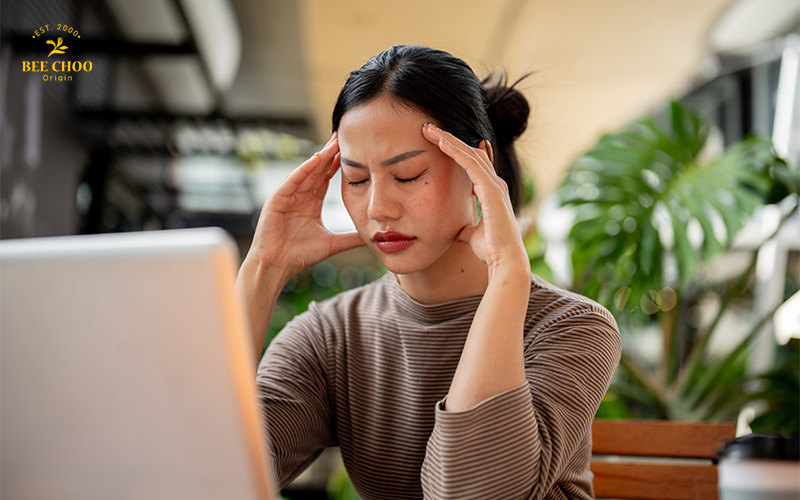
If you are wondering why you have dandruff even though you wash your hair often, your routine may be part of the problem. Overwashing can strip away the scalp’s natural oils, causing it to feel dry at first, then produce even more oil to compensate.
Harsh shampoos, strong sulphates, high-alcohol products, and frequent heat styling can also weaken the scalp barrier. When the scalp becomes irritated, it may react with itchiness, redness, and flaking.
Product buildup is another common trigger. Conditioner, styling creams, dry shampoo, and oils can collect near the roots if they are not rinsed out properly. Over time, this buildup can make the scalp feel greasy, clogged, or uncomfortable.
A gentler routine can help. Focus shampoo on the scalp; condition mainly the lengths; rinse thoroughly; and avoid using heavy products directly on the roots unless they are meant for scalp care.
Your scalp is still part of your body, so lifestyle habits can affect how it behaves. Stress, poor sleep, and a diet high in refined sugar or processed foods may all make the scalp more reactive over time.
Chronic stress can affect the body’s immune response and may worsen inflammatory scalp concerns. Poor sleep can slow down skin repair, while diets high in processed sugars and refined carbohydrates may encourage conditions that allow yeast to thrive.
This does not mean one stressful week or one sweet snack will suddenly cause dandruff. But if flakes keep coming back, it may help to look at your overall routine. Better sleep, balanced meals, regular hydration, and simple stress relief can support both scalp comfort and general wellbeing.
If you are trying to learn how to stop dandruff, start with the basics: use a suitable scalp-care routine, avoid harsh products, manage oil buildup, and note whether your flakes are dry, oily, or linked to irritation. If flaking is severe, painful, or does not improve, it is best to seek professional advice.
Not all scalp flaking is standard dandruff. Sometimes, flakes may be linked to skin conditions such as psoriasis, eczema, or seborrhoeic dermatitis, which can look similar at first but may require different types of care.
Psoriasis often causes dense, silvery scales that can extend beyond the hairline, while eczema tends to present with intense itch and sometimes oozing.
Seborrhoeic dermatitis can also cause flaking, but it is usually linked with oily areas, redness, and irritation. If your flakes are painful, very itchy, spreading beyond the scalp, or not improving with regular dandruff care, it may be best to seek a proper scalp assessment instead of guessing the cause.

If you want to know how to stop dandruff from coming back, the key is to care for both the visible flakes and the scalp beneath. A good routine should help manage oil, loosen buildup, soothe irritation, and keep your scalp balanced over time.
Here is a simple 4-step approach to help reduce flakes without being too harsh on your scalp.
Start with a shampoo that contains proven anti-dandruff ingredients such as piroctone olamine (our staple), zinc pyrithione, ketoconazole, or salicylic acid. Zinc pyrithione and ketoconazole help manage the yeast linked to dandruff, while salicylic acid helps loosen flakes and reduce buildup on the scalp.
How you use the shampoo matters too. Wash with lukewarm water instead of hot water, massage the shampoo gently into the scalp, and give it time to work before rinsing. Dematologists note that dandruff shampoos may need to sit on the scalp for around 5 to 10 minutes, so follow the directions on your product carefully.
If your scalp is sensitive, avoid shampoos that feel overly stripping or leave your scalp tight after washing. The aim is not to scrub your scalp aggressively, but to reduce flakes while keeping the scalp barrier comfortable.
Gentle exfoliation can help remove the layer of dead skin, oil, and product buildup that traps flakes on the scalp. You can do this with a soft scalp brush, a gentle scrub, or a salicylic acid shampoo used at the recommended frequency.
Avoid over-exfoliating, as this can make the scalp feel sore or more irritated. For many people, occasional exfoliation is enough to help products work better and leave the scalp feeling cleaner.
After exfoliating, soothing ingredients can help calm the scalp. Tea tree oil, aloe vera, and neem are often used in scalp care for their refreshing, comforting properties. If you are using tea tree oil, make sure it is properly diluted, as applying it too strongly may irritate sensitive skin.
If flakes keep returning despite changing your shampoo and routine, a professional scalp treatment may help you understand what your scalp actually needs. At Bee Choo Origin, scalp care focuses on gentle cleansing, herbal care, and personalised support for different scalp concerns.
A typical session may include:
This can be especially helpful if your dandruff is linked to oil buildup, dryness, itchiness, or recurring scalp discomfort. For added support, you can also consider dandruff scalp treatments, the Amino Shampoo Series, or a scalp moisturiser as part of your care routine.
Once your flakes are under control, the next step is keeping your scalp balanced. This may mean rotating between a medicated anti-dandruff shampoo and a gentler everyday cleanser, especially if strong shampoos leave your scalp feeling dry.
It also helps to adjust your routine based on your environment. In humid weather, your scalp may become oilier and need more frequent cleansing. In air-conditioned spaces, your scalp may feel drier and need more hydration.
Lifestyle habits matter too. A balanced diet with leafy greens, lean protein, and omega-3-rich foods can support overall scalp health, while drinking enough water and managing stress can help reduce irritation-related flare-ups. Small, consistent habits are often more useful than quick fixes when it comes to long-term dandruff control.
Dandruff is often manageable rather than permanently curable; it can be kept under control for long periods with consistent care, correct products, and lifestyle adjustments. Flare-ups may still occur due to hormonal changes, stress, or environmental shifts, so learning sustainable practices is the most realistic route.
Dandruff itself does not directly cause hair loss in most cases, but persistent inflammation and continuous scratching can lead to weakened hair shafts and follicular damage over time. Addressing dandruff early reduces the risk of secondary hair issues.
Daily washing is not necessary for most people and can worsen dry-scalp-related flakes. Frequency should depend on scalp type: oily scalps may need more frequent cleansing, while dry scalps benefit from less frequent washing combined with targeted moisturisers.
Excessive sugar and heavily processed foods can encourage yeast growth; in some individuals, dairy or high-fat meals can exacerbate symptoms. A balanced, nutrient-dense diet supports skin health and is part of the overall approach to getting rid of dandruff.
Mild dandruff may respond within 2–4 weeks of consistent use of appropriate shampoos and care routines; more stubborn cases, especially those linked to underlying skin conditions, may take several months and require professional intervention.
Yes. Mineral deposits from hard water can leave residues that irritate the scalp and reduce the effectiveness of shampoos, contributing to flaking. Using chelating shampoos or installing a water softener can help in such situations.
No. Dandruff is not contagious; it typically arises from individual scalp conditions, genetic predisposition, or local microbial environments rather than transmission between people.
A healthy scalp starts with understanding what your flakes are trying to tell you. For some people, dandruff comes from excess oil and buildup. For others, it may be linked to dryness, stress, harsh products, or skin conditions that need closer attention.
If your flakes keep coming back, try not to rely on guesswork. A gentle shampoo routine, balanced lifestyle habits, and consistent scalp care can help, but persistent itchiness, redness, or heavy flaking may need a more personalised approach.
For those looking for ways to stop dandruff that suit their scalp condition, Bee Choo Origin offers professional scalp analysis and care rooted in herbal treatments and personalised support. If you are exploring hair and scalp treatments in Singapore, a consultation can help you better understand your scalp and choose the right next step.
Visit Bee Choo Origin to begin your journey towards a cleaner, calmer, and more confident scalp.