

 0
0
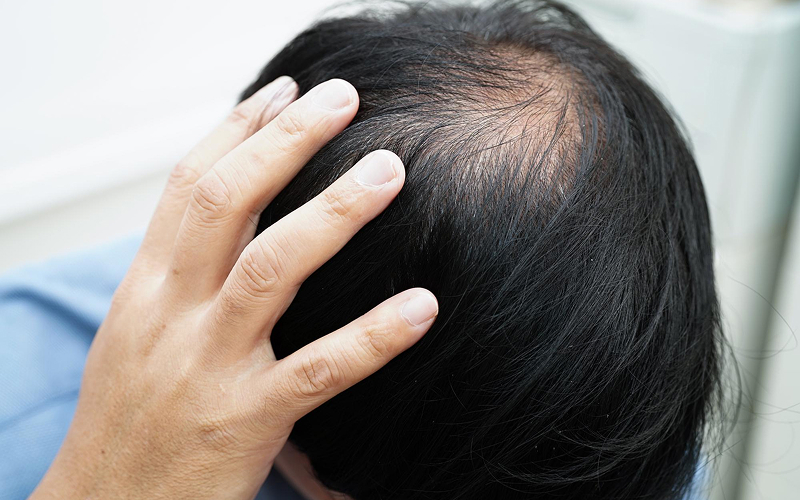
Hair concerns rarely start at the strands. The scalp, which is often overlooked, can age much faster than the skin on your face. As it matures, its ability to stay balanced and support strong, healthy hair may decline. These changes are often subtle at first, showing up as discomfort, oil imbalance, or gradual thinning that is easy to dismiss.
Below, we explore the key signs to watch for and how you can care for your ageing scalp more effectively over time.
One of the more noticeable changes is a gradual reduction in hair density. Strands may become finer, and your overall volume may feel lighter than before. This is often linked to follicle miniaturisation, a process where hair follicles shrink, causing them to produce thinner strands over time.
As sebaceous gland activity declines, the scalp may become drier and more sensitive. You might notice tightness, itchiness, or discomfort that was not present before. This reduced oil production also weakens the scalp’s natural barrier, making it more reactive to products, weather changes, and daily stress.
The hair growth cycle can become less efficient with age. As circulation in the scalp slows and cellular renewal becomes less active, your hair follicles receive fewer nutrients and signals needed to stay in the anagen (growth) phase. This means that your hair will not grow as long or as quickly as before.
You may begin to notice more hair falling out during washing or brushing. While some shedding is normal, an increase can indicate that hair follicles are becoming weaker. Over time, this can affect how consistently hair regrows.
An ageing scalp tends to feel less fresh even after washing. This can be linked to slower scalp turnover, where oil, dead skin, and residue accumulate more easily. Sebum may build up more easily on the scalp, making your hair look flat or greasy.
While changes in the scalp are a natural part of growing older, certain internal and external factors can accelerate the process.
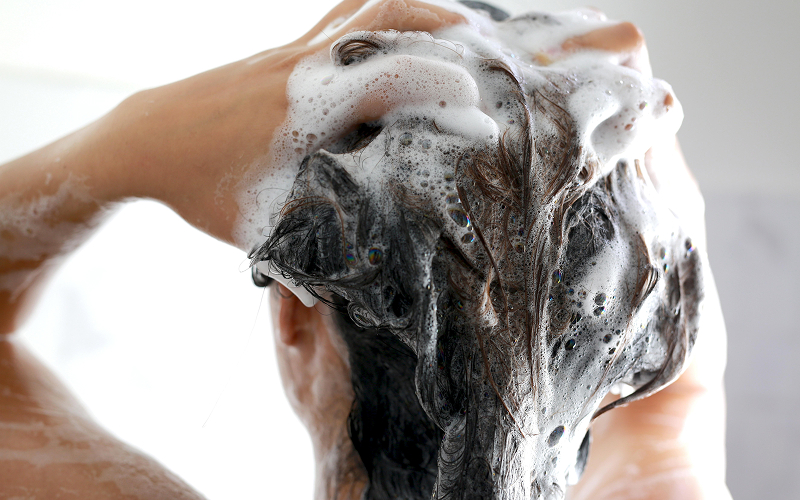
Ageing is a natural process that cannot be stopped. However, it is possible to manage its effects on your scalp with the right care and consistent habits.
Instead of washing daily out of habit, adjust based on how your scalp feels. In Singapore’s hot and humid climate, washing once a day is generally enough for most people, even if you tend to sweat more than others. Washing two to three times a day can strip away too much of the scalp’s natural oils and leave it feeling dry, tight, or increasingly sensitive over time.
If you do need to refresh your scalp after exercise or heavy sweating, a thorough rinse with water may be enough until your next proper wash. This helps keep the scalp clean without over-cleansing.
As buildup becomes harder to manage, consider a scalp deep-clean. A treatment like the Dead Sea Mud Mineral Scalp Detox Mask from Bee Choo Origin draws out excess oil, residue, and impurities from the scalp. This helps restore a cleaner environment, especially if you are dealing with congestion or a heavy, greasy feeling at the roots. Beyond cleansing, its mineral-rich properties can help balance oil production and soothe irritation, leaving your scalp feeling lighter and fresher after each session.
Most people wash their hair, but often forget about the scalp. A scalp massage can improve circulation and loosen buildup, contributing to a healthier scalp environment and stimulating hair growth. All you need is 2–3 minutes every day to gently work your fingertips in small circular motions across the scalp. Over time, this can also help improve hair growth by supporting better nutrient delivery to the hair follicles.
The products you use daily can either support or disrupt your scalp over time. Harsh formulas with strong chemicals may strip natural oils or trigger sensitivity, especially as the scalp becomes more delicate.
Instead, opt for gentler, herbal-based products or those enriched with antioxidant extracts, like those from Bee Choo Origin, to maintain balance without overloading the scalp. These formulations cleanse and nourish while supporting the scalp’s natural functions, making them better suited for long-term care.
Hairstyles that pull tightly on the scalp, such as high ponytails, braids, or buns, can place constant stress on the hair follicles. Over time, this tension may weaken the roots and affect how well hair grows. Opt for looser styles where possible and vary how you tie your hair throughout the week to reduce strain on the same areas. Minimising tension helps protect the scalp and creates a better environment to support healthy, consistent hair growth.
Caring for your ageing scalp isn’t about reversing the effects of time, but about maintaining balance even through the years. Recognising the early signs and making small, consistent adjustments to your routine can go a long way in ensuring that your scalp and hair stay healthier, stronger, and more resilient.
At Bee Choo Origin, we offer personalised scalp analysis services and herbal-based hair treatments designed to gently and effectively restore balance. Our treatments are formulated without harsh chemicals, focusing instead on gentle, plant-based care that works in harmony with your scalp.
Get in touch with us today to learn more.