
 0
0

Imagine this: you’re in your mid-30s, scrolling through old photos, when you notice something you hadn’t before. Your hairline isn’t quite where it used to be, and the hair on top seems thinner than you remember. You start to wonder, “Is this the beginning of the end for my hair?” Well, you’re definitely not alone on this journey! Male Pattern Baldness (MPB) is a problem many men find themselves with. In fact, the sign of balding hair is the most common form of hair loss in men, affecting around 50% of them by age 50. It typically starts with a receding hairline or thinning crown, leading to those familiar bald patches over time.
But what causes it? MPB is primarily driven by genetics and hormonal changes, specifically the influence of dihydrotestosterone (DHT) on hair follicles. The good news? There are ways to manage and address MPB, and this guide will walk you through understanding and tackling hair loss with confidence.
Starting with the root causes, we’ll explain how genetics and hormones play a role in these signs of balding hair. Then, we’ll explore how hair loss can impact personal well-being and what you can do to regain control. From the power of herbal treatments to essential grooming tips, we’ll equip you with the tools and knowledge to manage hair loss and boost your self-assurance.
Ready to take control of your hair? Let’s get right into it!
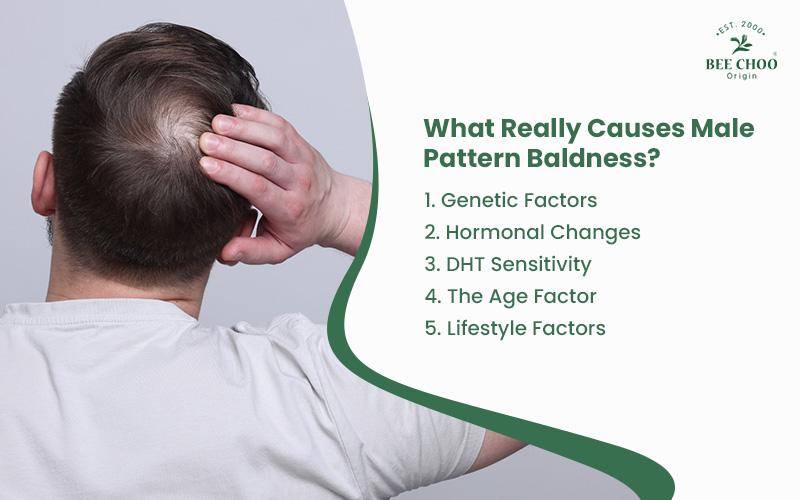
So, what’s really going on up there? Why do some of us start losing hair while others seem to hang onto it forever? Male Pattern Baldness (MPB) can feel like a mystery, but the signs of balding hair come down to a few key factors: genetics, hormones, and how your body reacts to a particular hormone called dihydrotestosterone (DHT). Let’s break down these culprits and explore what’s happening under the surface.
Male Pattern Baldness is largely hereditary, which means that if it runs in the family, it’s more likely to affect you. Genes from both sides of your family contribute to MPB, with a particular emphasis on the androgen receptor (AR) gene. This gene determines how sensitive your hair follicles are to hormones like DHT, which plays a major role in hair loss. If you’ve got a family history of MPB, your odds of experiencing it go up.
Now, let’s meet the primary player when it comes to signs of balding hair – DHT. Dihydrotestosterone (DHT) is a derivative of testosterone, the hormone associated with masculine traits. DHT is powerful stuff – it’s responsible for some of the very things that make men, well, men. But here’s the catch: if your hair follicles are sensitive to DHT, they’ll respond by shrinking over time. And when follicles shrink, hair growth slows down, thins, and eventually stops. The result? Those classic receding hairlines and thinning crowns that MPB is known for.
DHT attaches itself to androgen receptors in hair follicles and triggers a process called follicular miniaturisation, where the hair follicle progressively gets smaller and produces finer hair. Over time, this process continues until the follicles stop producing hair altogether. So, it’s not that your hair is just falling out—it’s that the follicles are shrinking and ceasing to grow full, healthy hair.
Here’s where individual differences come into play. Not everyone’s follicles are equally sensitive to DHT, and the level of sensitivity largely depends on your genes. People with high DHT sensitivity tend to experience hair loss earlier and more intensely. Think of this sign of balding hair as the “follicle lottery”—some men’s follicles are naturally resistant to DHT, while others are ultra-sensitive. Unfortunately, there’s no way to switch this off. However, understanding DHT’s role helps explain why MPB is so common and why some men are more affected than others.
MPB doesn’t happen overnight. For most men, the signs of balding hair start subtly in their late 20s or early 30s, though some notice it as early as their late teens. Hair loss progresses gradually, following a predictable pattern. First, the hairline starts to recede, often forming that classic “M” shape. Then, thinning begins at the crown, working its way outwards until, in more advanced cases, only a “horseshoe” shape remains. Age speeds up the process, but how fast and how much hair is lost varies widely. Other
While genetics and hormones are the main signs of balding hair, lifestyle factors can play a supporting role. For instance, a poor diet, high stress levels, and habits like smoking can impact hair health and make thinning more noticeable. These factors don’t necessarily cause MPB, but they can create a less-than-ideal environment for your hair, accelerating the visible effects of hair loss.
Here’s the truth: Losing your hair fairly early can be unsettling. For many, signs of balding hair affect self-confidence, social interactions, career progression, and overall emotional well-being. Let’s take a look at how these areas are impacted—and how you can maintain a positive outlook along the way.
Many men report feeling self-conscious or even embarrassed about their appearance when they see signs of balding hair. You might start avoiding social situations or wearing hats more often to feel less exposed. These feelings are completely normal, and it’s important to know that your self-worth isn’t defined by your hair. Confidence truly shines from within, and learning to embrace the changes or take steps to manage them can go a long way in keeping a positive self-image.
MPB can sometimes feel socially isolating. People might make insensitive comments, or you may notice unwanted attention directed at your signs of balding hair. Friends may joke about it, or family members might offer unsolicited advice. It’s easy to feel singled out or alienated, especially in group settings. Remember, confidence plays a major role here. Those who embrace their look tend to face less scrutiny and often feel more in control. Whether you choose to adopt a different hairstyle, rock the bald look, or explore hair treatments, keeping a confident mindset helps you manage social challenges with ease.
For those working in industries where image is important—think sales, media, or client-facing roles—MPB can add another layer of pressure. Some worry that their signs of balding hair might affect their career trajectory or how they’re perceived by clients and colleagues. However, there are plenty of examples of successful, bald men who’ve owned their looks and thrived professionally. Let your skills and talents speak louder than any physical change, and don’t hesitate to address concerns with a supervisor if you feel it’s impacting your confidence at work.
The emotional rollercoaster that comes with MPB is real, and it’s totally normal to experience a mix of frustration, anxiety, and even sadness as your appearance changes. Finding ways to address these feelings is important. Talking to friends, family, or a support group can provide relief, as can speaking with a mental health professional if you need a more structured approach. Taking small steps to care for your mental health can help you build resilience and embrace whatever comes next with strength and optimism.
Most of the time, MPB can feel like a lot to manage, but you don’t have to go through it alone. By understanding and addressing the signs of balding hair, you’re already on your way to handling it with confidence.
Hair thinning can be a tough pill to swallow, but Bee Choo Origin herbal bald scalp treatments offer a refreshingly natural way to tackle hair loss. Instead of relying on harsh chemicals or medications with potential side effects, Bee Choo Origin has developed scalp treatments packed with herbal ingredients that gently nourish the scalp, encourage hair growth, and promote healthier locks overall. Let’s dive into the benefits of these botanical remedies and how they may give your hair the boost it needs.
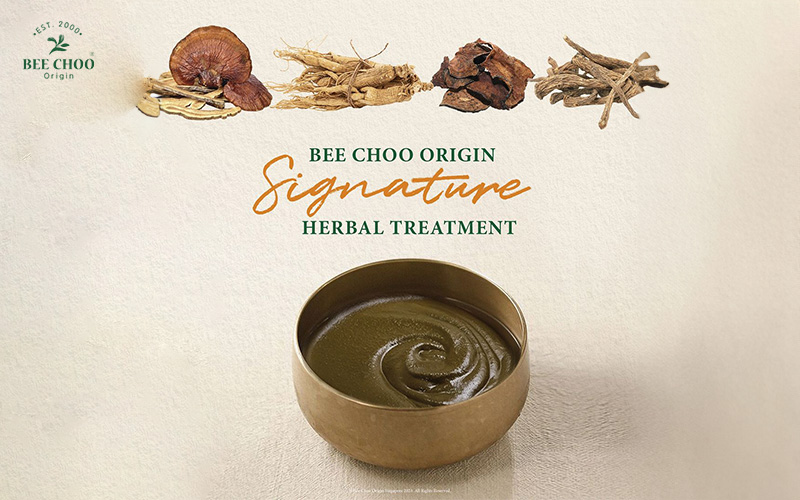
At the heart of Bee Choo Origin treatments are powerful natural ingredients like He Shou Wu, Ginseng, Dang Gui, and Ling Zhi. Each of these herbs has its own unique properties that work together to support the signs of balding hair:
These herbs are carefully blended to create a potent formula that revitalises the scalp, strengthens hair from the roots, and promotes fuller, healthier hair.
One of the main goals of Bee Choo Origin herbal hair growth treatments is to improve scalp health, as a healthy scalp is the foundation for robust hair growth. The herbal ingredients are designed to reduce inflammation, balance scalp oil production, and cleanse away buildup. Regular treatments help create a balanced environment where hair can grow without the obstacles of clogged follicles or excess oil, both of which can lead to hair thinning. Improved scalp health means less itching, less dandruff, and a smoother, more comfortable base for your hair.
Herbal hair fall treatments, like those offered by Bee Choo Origin, are generally gentler on the scalp and have fewer risks of adverse reactions compared to synthetic hair loss treatments. Many people experience scalp sensitivity or irritation when using certain pharmaceutical solutions, which can sometimes lead to dryness, redness, or discomfort. Our formulas, by contrast, rely on nature’s own ingredients to nourish the scalp without causing unnecessary harm. This makes it a great choice for individuals with sensitive skin or those who prefer a gentler approach to hair care.
Bee Choo Origin herbal hair treatments are not only accessible but also more budget-friendly than some pharmaceutical options. Unlike prescription medications that can be costly and sometimes require ongoing use, our natural treatments are available without a prescription, making it easier for anyone to access their benefits.
What sets Bee Choo Origin apart is its holistic approach to hair wellness. Our herbal treatments don’t just target hair loss—they aim to enhance the overall health and vitality of your hair. By addressing the root causes of thinning, such as poor circulation, scalp inflammation, or lack of nutrients, Bee Choo Origin provides a comprehensive solution that nurtures your scalp and hair in a way that’s both sustainable and effective.
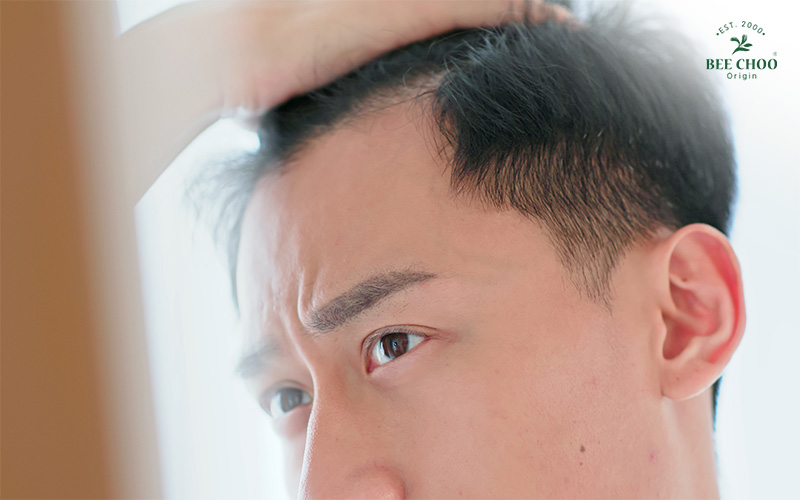
Beyond herbal hair treatments that fortify your scalp and encourage growth, there are plenty of practical grooming habits that can help boost your confidence if you’re dealing with signs of balding hair. With a few strategic styling tweaks and healthy lifestyle choices, you can turn thinning hair from a source of frustration into a stylish asset.
Think of thinning hair as an opportunity to try new looks and adopt habits that support your hair’s health. Ready to transform your routine? Here’s how to make thinning hair work for you.
Selecting the right haircut can make all the difference in how your hair appears. Short, layered cuts are fantastic for adding texture and volume, helping your hair look fuller and more dynamic. Avoid heavy or flat styles, as these can emphasise thinning areas and make hair look sparse. A good hairstylist can recommend specific cuts tailored to your hair type and face shape to bring out the best in your hair.
There’s a world of volumising products out there, designed specifically to add body and lift to thinning hair. From shampoos and conditioners to styling gels and mousses, these products create the illusion of fullness. Root-lifting sprays are particularly effective, as they give a little extra boost to the scalp. Experiment with different products to find what works best for you, and don’t forget to use a small amount at a time. Less is often more!
While heat styling tools like blow dryers, straighteners, and curling irons can help you achieve your desired look, they can also cause damage if overused. Thinning hair is often more delicate, so it’s important to minimise heat exposure. If you do use heat tools, always apply a heat protectant first to help shield your hair from damage.
A nutrient-rich diet is essential for healthy hair. Vitamins and minerals like proteins, iron, and vitamins A, C, and E all play a role in hair growth and strength. Incorporate a variety of fruits, vegetables, lean proteins, and whole grains into your meals. Not only can this help strengthen your hair, but it also benefits your skin, nails, and overall well-being.
Stress is a well-known contributor to hair thinning, so managing it is key. Regular exercise, meditation, and hobbies are great ways to reduce stress. Even taking short breaks throughout your day to focus on deep breathing can make a noticeable difference. A calm mind contributes to a healthy body—and, by extension, healthy hair.
Smoking and excessive alcohol consumption can affect blood circulation, which can, in turn, impact hair quality. Reducing or eliminating these habits can help improve not only your hair but also your skin and general health. With healthier habits, you’re giving your hair the best chance to thrive.
A healthy scalp is the foundation of strong hair growth. Regularly cleanse your scalp to prevent oil buildup and dandruff, and consider adding scalp massages to your routine. These massages can improve blood flow to the hair follicles, providing them with the nutrients they need to stay healthy.
With these steps, you can work with the signs of balding hair, not against it. Embrace your unique style, nourish your hair from within, and keep your confidence high—it’s all part of the journey to looking and feeling your best.
Male Pattern Baldness (MPB) is a genetic condition characterised by progressive hair thinning and loss, typically starting with a receding hairline and thinning crown. Unlike other types of hair loss, such as alopecia areata or telogen effluvium, MPB follows a predictable pattern and is largely influenced by genetic and hormonal factors.
While there is no guaranteed way to prevent Male Pattern Baldness, early intervention can help slow its progression. Treatments such as minoxidil and finasteride have been shown to be effective in slowing hair loss and promoting regrowth in some individuals. Maintaining a healthy lifestyle and managing stress can also have a positive impact.
Dealing with signs of balding hair can be difficult, but with the right approach, it’s one that can enhance your confidence, style, and well-being. From understanding the roots of hair loss to exploring powerful herbal treatments and practical grooming techniques, each step is a chance to make your hair a source of pride rather than stress. Remember, hair loss doesn’t define you—your approach to it does. By focusing on natural treatments, adopting thoughtful grooming habits, and making lifestyle choices that support hair and scalp health, you’re taking control of the narrative.
If you’re ready to experience the power of natural hair care firsthand, let Bee Choo Origin be your trusted partner. With our range of herbal hair care products and treatments tailored to support healthy hair growth, you’re in good hands.
Contact Bee Choo Origin to discover products that suit your unique needs and join a community that’s all about empowering you to look and feel your best—naturally.