
 0
0
Stress is an unavoidable part of modern life in Singapore, whether it comes from demanding work schedules, financial pressures, or family responsibilities. What many people don’t realise is that chronic stress doesn’t only affect mental wellbeing – it can also have physical consequences, including hair thinning and excessive shedding. If you’ve noticed more strands on your pillow, clogging your shower drain, or falling out in clumps when brushing, you’re not alone. Hair loss linked to stress is increasingly common among both men and women.
But can stress cause hair loss in a way that leads to lasting damage? The answer lies in understanding how stress interacts with your body’s natural processes. Stress hormones affect more than just your mood, they can disrupt the delicate balance of the hair growth cycle, leading to noticeable shedding.
In this blog, we’ll explore the science of stress-induced hair loss, the tell-tale signs to look out for, and the strategies you can use to protect your scalp. We’ll also explain how targeted scalp therapy for hair fall and holistic solutions, like those offered at Bee Choo Origin, can support recovery and regrowth.
When people ask, “Can stress cause hair loss?”, the most common answer points to a condition called telogen effluvium. This occurs when intense physical or emotional stress forces a large number of hair follicles into the resting phase of the hair cycle too early. Instead of staying in the growth phase, these follicles shed within a few months of the triggering event, leading to noticeable thinning.
In Singapore, common stressors such as long working hours, academic competition, and lifestyle burnout make telogen effluvium increasingly prevalent. So, can stress cause hair loss that keeps coming back? While this form of hair fall differs from hereditary balding, it can still be distressing. The good news is that stress-induced shedding is usually reversible with the right intervention, though neglecting it may lead to repeated cycles of thinning.
It’s important to distinguish stress-related shedding from other causes, such as vitamin D deficiency, hair loss, hormonal imbalances, or genetic predispositions. While these conditions require different treatment approaches, the role of stress as a trigger cannot be underestimated. If you’ve been questioning if stress causes hair loss in otherwise healthy individuals, the evidence shows that unmanaged stress alone can disrupt the hair growth cycle and accelerate thinning.
To answer the question, can stress cause hair loss, it’s useful to understand the natural phases of the hair cycle. Normally, around 85–90% of your hair strands are in the anagen (growth) phase, while only a small percentage are resting or shedding. However, when your body experiences high stress, cortisol and related hormones interfere with this cycle.
Instead of remaining in the growth phase, many follicles prematurely shift into the telogen (resting) stage. This sudden change doesn’t weaken the hair shaft but stops growth entirely. As a result, large amounts of hair may shed two or three months after the stressful period.
In severe cases, stress can also contribute to autoimmune conditions such as alopecia areata, where the immune system mistakenly attacks hair follicles. While less common, this highlights how significantly stress can affect scalp health if not managed properly.
It’s not always obvious whether hair loss is linked to stress or another condition. However, there are key patterns to watch out for:
If you’re asking if stress can cause hair loss suddenly, the answer is yes. Stress-related hair fall often becomes visible within 2–3 months of a major event such as illness, job loss, or emotional strain. You may notice temporary hair loss. Stress presents itself as diffused thinning across the scalp, rather than the receding hairline or crown balding typical of genetics.
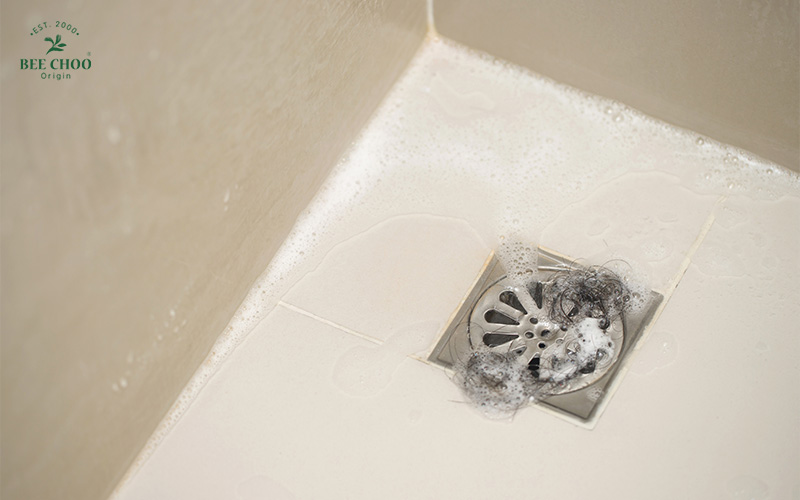
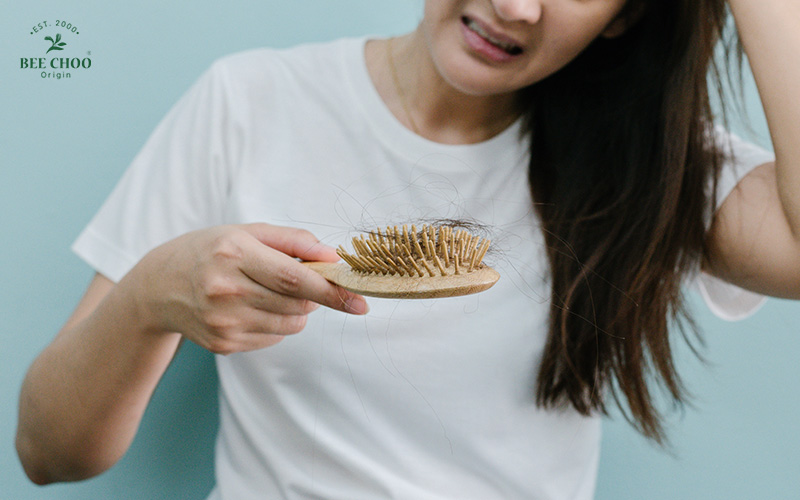
Another sign is excessive shedding after daily routines. Many people observe excessive hair loss after washing, when clumps of strands appear in the shower or on the bathroom floor. Unlike gradual thinning, stress-induced shedding tends to happen more suddenly and in larger amounts.
Other accompanying symptoms include scalp tightness, irritation, or a sensation of inflammation. These often go hand-in-hand with stress, as tension in the body affects circulation to the scalp. If these signs resonate, a consultation with Bee Choo Origin can provide clarity and personalised solutions.
While people often focus on external products, the real answer to the question: can stress cause hair loss, lies within lifestyle changes. By reducing stress levels, you can restore hormonal balance and allow hair follicles to function normally again.
Practices like mindfulness meditation have been shown to lower cortisol levels, directly benefiting both scalp and overall health. Even ten minutes of focused breathing daily can make a measurable difference. Exercise is another essential habit – whether through yoga, strength training, or a brisk evening walk, physical movement improves blood flow and reduces stress hormones. Many people ask, “Can stress cause hair loss permanently?” The truth is that unmanaged stress disrupts the hair growth cycle, making relaxation practices a critical tool in prevention.
Quality sleep is equally critical. During deep rest, the body repairs itself, including the scalp. Adults should aim for at least seven hours per night. Without restorative sleep, both stress and hair fall can worsen. In fact, poor sleep is one of the most overlooked answers when people search, “Can stress cause hair loss long-term?”
In addition to daily stress-reducing practices, finding healthy outlets for emotional release can play a significant role in preventing hair fall. Journaling, creative hobbies, or spending time in nature can lower anxiety levels and reduce the body’s cortisol response. Even simple lifestyle shifts, such as setting boundaries at work or learning to say no, can reduce the chronic pressures that quietly damage your wellbeing. By consistently managing emotional stress, you give your body the chance to recover and allow your hair follicles to remain active, supporting a healthier growth cycle in the long term. This is especially important for those concerned and constantly wondering, “Can stress cause hair loss more quickly in certain individuals?”
These stress management techniques may feel simple, but combined, they create a foundation for healthier hair and overall wellbeing. Ultimately, the more effectively you manage your stress, the less likely you are to face the question, “Can stress cause hair loss repeatedly?”
One of the most effective solutions for stress-related shedding is targeted scalp care. While topical products may offer temporary relief, they rarely address the root cause. At Bee Choo Origin, our herbal treatment provides a holistic solution designed specifically for those asking: can stress cause hair loss, and how can I fix it?
The treatment combines Chinese herbs such as Ling Zhi, Dang Gui, and Ginseng, all known for their restorative properties. These ingredients stimulate blood circulation, reduce inflammation, and encourage hair follicles to re-enter the growth phase.

Importantly, the therapy is free from harsh chemicals, making it safe for sensitive scalps affected by stress. Unlike chemical-based treatments, this herbal solution provides long-term scalp nourishment and creates an environment conducive to hair regrowth. For anyone wondering if stress can cause hair loss that lingers, this treatment demonstrates how restoring scalp balance can actively support recovery.
For busy Singaporeans, weekly or bi-weekly sessions are accessible, ensuring you don’t need to sacrifice work-life balance to restore your hair. By focusing on both internal wellbeing and external care, Bee Choo Origin takes pride in therapy that bridges the gap between stress management and scalp health.
Yes. In most cases of stress-induced hair fall, the condition is temporary. Once stress levels are reduced and scalp health is properly restored, your hair follicles re-enter the growth phase. With consistent care, many people notice regrowth within six to nine months. However, the recovery rate may vary depending on your age, nutrition, and the overall condition of your scalp. Can stress cause hair loss permanently? The answer is usually no, especially when paired with supportive treatments such as scalp therapy for hair fall, which can help accelerate recovery.
If stress remains unmanaged for long periods, the constant hormonal imbalance can keep follicles in a dormant state. Over time, this may cause progressive thinning that becomes difficult to reverse, resembling permanent hair loss. That’s why early intervention is crucial. For anyone wondering, “Can stress cause hair loss that doesn’t grow back?” the answer lies in how quickly you act. Combining stress management techniques with professional treatments, such as Bee Choo Origin herbal scalp therapy, ensures the follicles stay active and capable of regrowth.
Stress-related hair loss typically presents as diffuse thinning across the entire scalp. It tends to appear suddenly, often two to three months after a stressful event. Genetic balding, on the other hand, is gradual and follows a specific pattern—such as receding at the temples or thinning at the crown. Stress-induced hair loss can usually be reversed, while hereditary hair loss requires ongoing management. If you’ve ever asked, “can stress cause hair loss even if balding runs in the family?” the distinction is important, as the causes and treatments differ significantly.
While some doctors may recommend topical medications like minoxidil, they are not always essential, especially if the hair loss is directly linked to stress. Many people achieve effective results by focusing on lifestyle adjustments, proper nutrition, and natural remedies for hair loss. Non-invasive solutions such as Bee Choo Origin scalp therapy provide a safer alternative without the potential side effects of chemical-based treatments.
Most clients begin noticing improvements with weekly or bi-weekly treatments. The exact frequency depends on factors such as the severity of hair fall, scalp sensitivity, and lifestyle. A personalised consultation with Bee Choo Origin ensures that your treatment plan is tailored to your unique condition, providing the best chance for visible results.
Yes. Both men and women can experience stress-induced hair loss, but the way it presents may vary. Men often notice diffuse thinning that makes their overall hair density look lighter, while women may experience excessive hair loss after washing or brushing. Hormonal differences, such as pregnancy or menopause in women, can also amplify the effects of stress on hair.
Stress-related hair loss is usually temporary, but it can return if stressors remain present or resurface. For instance, a major life event, burnout, or ongoing anxiety can trigger repeat cycles of shedding. Building long-term stress management habits, such as mindfulness, regular exercise, and quality sleep, helps reduce the likelihood of recurrence. Consistent scalp care further strengthens your hair’s resilience against future episodes.
So, can stress cause hair loss? Absolutely. But the reassuring truth is that stress-related shedding is usually temporary and reversible when addressed promptly. By managing stress, nourishing your body with the right nutrients, and incorporating holistic scalp therapy for hair fall, you can protect your hair’s future.
Whether you’re struggling with sudden thinning, temporary hair loss, stress, or noticing excessive hair loss after washing, taking action today can prevent long-term damage. Bee Choo Origin natural herbal treatment provides a safe, effective path to recovery, supporting not only hair regrowth but also restoring balance to your scalp.
Your hair is more than just appearance – it’s a reflection of health and confidence. Don’t let stress take that away. Visit Bee Choo Origin today and take the first step toward stronger, healthier, stress-free hair.