
 0
0
Research suggests that nutrition plays a significant role in maintaining healthy hair growth. Hair follicles are among the most metabolically active structures in the body and rely on a steady supply of vitamins, minerals, proteins, and essential fatty acids to function optimally. In some cases, hair thinning and increased shedding may be linked to deeper nutritional deficiencies, particularly when the body lacks key nutrients needed to support the hair growth cycle.
| Nutrient | Food Sources | Potential Hair Benefit |
| Protein | Eggs, fish, lean poultry, legumes | Supports hair structure and keratin production |
| Biotin | Eggs, nuts, seeds | Helps strengthen hair and support growth |
| Iron | Spinach, red meat, lentils | Supports oxygen delivery to hair follicles |
| Zinc | Oysters, pumpkin seeds, chickpeas | Contributes to follicle function and repair |
| Omega-3 Fatty Acids | Salmon, sardines, mackerel | Helps nourish the scalp and hair follicles |
| Vitamin D | Fatty fish, fortified foods, egg yolks | Supports normal hair follicle cycling |
| Vitamin C | Citrus fruits, berries, kiwi | Supports collagen production and iron absorption |
A well-balanced hair-loss prevention diet does not guarantee hair loss will be prevented, as genetics, hormonal changes, stress, and medical conditions can also contribute. However, ensuring adequate intake of essential nutrients for hair growth may help support stronger strands, a healthier scalp environment, and normal hair follicle function.
When planning meals to prevent hair loss, it is helpful to focus on dietary variety rather than relying on a single “superfood”. Consistently consuming a range of nutrient-dense foods can provide the building blocks needed to support healthy, resilient hair over time.
Hair is composed mostly of keratin, a type of protein that relies heavily on the presence of biotin to be synthesised effectively. Eggs are a rich, natural source of both, making them one of the top foods to eat to prevent hair loss. Regular consumption can help minimise breakage and support hair strength from root to tip.
Protein deficiency is a common contributor to hair thinning, so starting your day with eggs can be a small but powerful habit that strengthens follicles from the inside out. This also helps to address early signs of vitamin deficiency hair loss.
If you’re experiencing sudden or increased hair fall, a lack of iron may be to blame. Dark leafy greens like spinach, kale, and Swiss chard are rich in iron, a key mineral that helps red blood cells transport oxygen to your scalp and hair follicles.
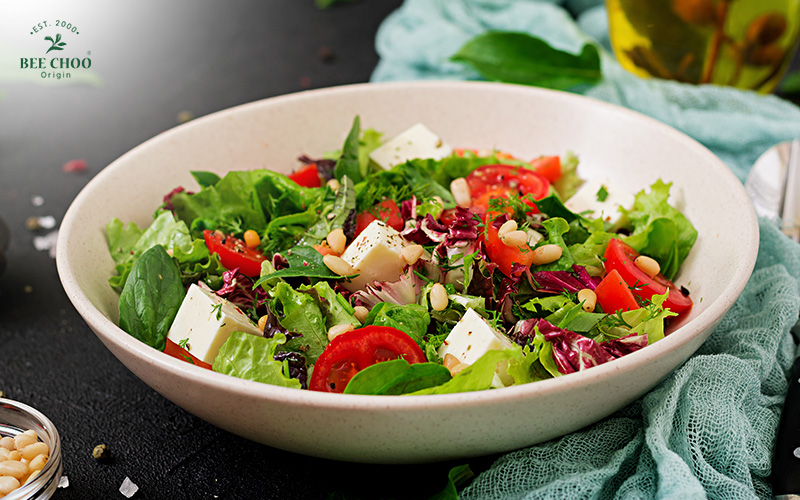
Without enough iron, your hair can shift into the shedding phase prematurely. By including more iron-dense vegetables in your meals, you can ensure that your follicles receive the nutrients they need to continue growing. Iron-rich greens are also great foods to prevent hair loss, especially for women, who are more prone to iron deficiency.
Fatty fish such as salmon, sardines, and mackerel are among the most powerful foods to eat to prevent hair loss due to their high omega-3 fatty acid content. Omega-3s support overall scalp health by reducing inflammation, increasing hydration, and improving blood circulation.
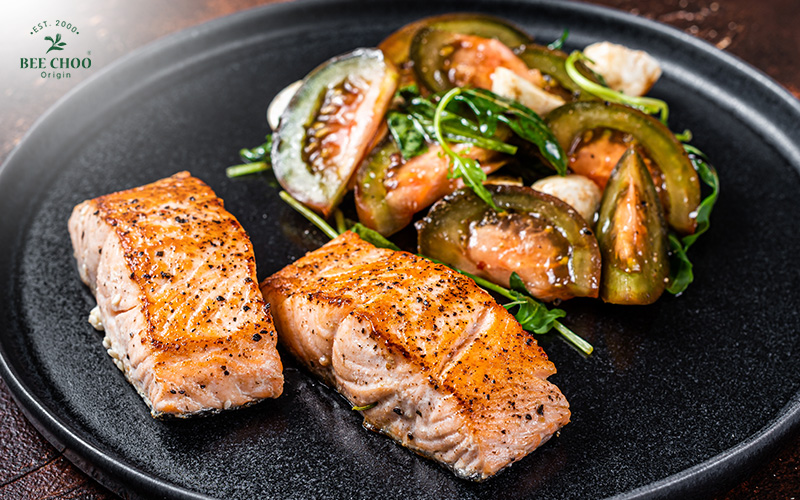
A healthy, well-nourished scalp provides the ideal environment for hair to grow. Regular intake of fatty fish not only promotes shine and elasticity but also works as a food to reduce hair loss triggered by stress or scalp dryness.
When it comes to repairing damaged strands and keeping hair follicles resilient, nuts and seeds are an excellent addition to your diet. Almonds, chia seeds, pumpkin seeds, and sunflower seeds are all packed with zinc and vitamin E, nutrients essential for preventing oxidative stress and follicle damage.
Zinc helps regulate oil production and supports tissue growth and repair, while vitamin E acts as a potent antioxidant. Together, they enhance strand elasticity and reduce brittleness, making these snacks ideal foods to munch to prevent hair loss on a cellular level.
Your body converts beta-carotene into vitamin A, which is essential for producing sebum, the natural oil that keeps your scalp and hair hydrated. Sweet potatoes, carrots, and other orange-coloured vegetables are packed with this hair-boosting nutrient.
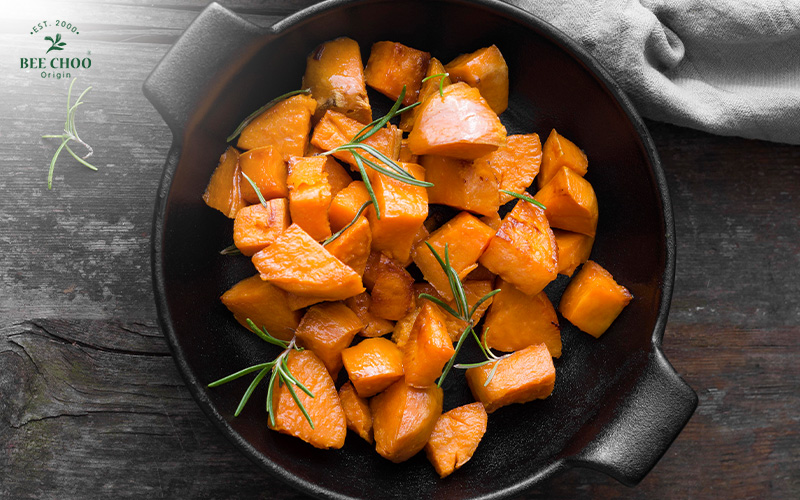
Vitamin A supports a healthy scalp biome and improves follicular function, reducing the risk of dry, brittle hair that breaks easily. Including these vegetables regularly ensures your scalp stays balanced and protected.
Fatty fish such as salmon, sardines, and mackerel are rich in omega-3 fatty acids, which help nourish the scalp and support a healthier environment for hair follicles. These healthy fats are important nutrients for hair growth because they help maintain scalp moisture, support follicle function, and contribute to stronger, healthier-looking strands.
Omega-3s may also support hair wellness by reducing inflammation and increasing blood circulation around the scalp, which can help nutrients reach the hair follicles more efficiently. This makes fatty fish a useful addition to a balanced hair-loss prevention diet, especially when paired with other protein- and vitamin-rich foods.
For those who do not eat fish regularly, plant-based sources such as chia seeds, flaxseeds, and walnuts can still provide beneficial fats, although fatty fish remains one of the most direct dietary sources of EPA and DHA omega-3s. Additionally, fish oil is commonly associated with preventing follicle inflammation and promoting scalp circulation, though it should be used with caution when taken as a supplement.
Oysters are one of the richest dietary sources of zinc, a mineral that supports normal cell repair, immune function, and the hair growth cycle. This makes oysters especially useful for preventing hair loss, particularly for those who may not be getting enough zinc through their regular diet.
Zinc is one of the most important nutrients for hair growth because it helps support follicle repair and healthy tissue renewal around the scalp. A deficiency in zinc has also been linked to telogen effluvium, a type of temporary hair shedding where more hairs enter the resting phase of the growth cycle than usual.
If oysters are not part of your regular meals, lean meats such as chicken, turkey, and lean cuts of beef can also contribute zinc and protein. Together, these foods help make a hair-loss prevention diet more complete by supporting both the structure of the hair strand and the follicle environment beneath the scalp.
Building stronger hair is not only about adding more hair growth foods to your plate. It is also about limiting foods that may harm scalp and follicle health, especially when consumed frequently as part of a highly processed diet.
Refined sugar from candy, sodas, and sweetened snacks can contribute to inflammation in the body. Highly processed fast foods and refined carbohydrates such as white bread and pasta may also make it harder to maintain steady nutrition, which matters because hair follicles need a consistent supply of oxygen and nutrients for hair growth.
Inflammation can affect the scalp environment and may restrict healthy circulation, making it harder for oxygen and nutrients to reach the follicles efficiently. This is why a strong hair-loss prevention diet should focus not only on what to eat but also on what to reduce.
Additionally, dermatological research on the causes of hair loss highlights that inflammation, circulation issues, metabolism, and malnutrition can all play a role. Reducing refined sugar, processed foods, and low-nutrient carbohydrates can therefore support a healthier foundation for long-term hair wellness.
Healthy hair starts with the everyday choices you make, and your meals play a big part in that. By adding more protein-rich foods, leafy greens, fatty fish, vitamin C-rich fruits, oysters, and lean meats to your routine, you give your body the building blocks it needs to support stronger strands from within.
A balanced hair-loss prevention diet does not have to be complicated. Eggs provide protein and biotin, spinach supports iron intake, salmon offers omega-3s, fruits like oranges and guavas help with iron absorption, and zinc-rich foods like oysters can support the hair growth cycle. Together, these foods can help create a healthier foundation for your scalp and hair over time.
It is also worth looking at what you may need to cut back on. Refined sugar, processed fast food, and too many refined carbohydrates may affect overall wellness and make it harder for your body to consistently get the nutrients your hair needs for growth. Small, steady changes to your diet can often be more sustainable than trying to overhaul everything at once.
For those experiencing ongoing hair thinning or scalp concerns, diet can be supported with the right care routine. Bee Choo Origin’s natural scalp care approach focuses on helping customers feel naturally confident through herbal hair and scalp solutions, with values rooted in care, genuineness, and trust.
If you need more personalised support, explore Bee Choo Origin’s hair-loss treatments in Singapore or pair your routine with suitable hair products. With the right food for hair growth, a consistent care routine, and gentle scalp support, you can take a more complete approach to healthier-looking hair.