

 0
0
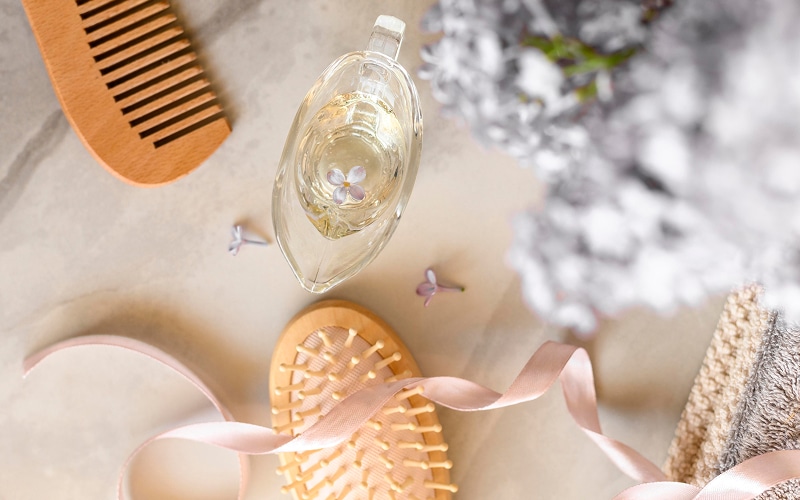
With so many botanical extracts, oils, and herbal ingredients used in hair care today, it can be difficult to know which ones are actually relevant to your needs. Different ingredients address different concerns, from dryness and excess oil to scalp comfort and damaged hair.
The most useful approach isn’t to follow trends, but to choose products with ingredients that match your scalp and hair condition. Below, we break down six natural ingredients and what each one is best for:
Ginseng contains antioxidant compounds that may help protect the scalp from oxidative stress and support a calmer, more comfortable scalp. This makes it a useful ingredient for maintaining overall scalp health, particularly when the scalp is exposed to daily environmental stressors. It is also one of the traditional herbs used in our herbal scalp treatments.
Ginger is commonly used in scalp care for its refreshing and cleansing properties. This natural ingredient can be particularly helpful for scalps that become oily, sweaty, or feel heavy with buildup, which is common in Singapore’s hot and humid climate. Its stimulating properties can also help leave the scalp feeling fresher and more invigorated.
Aloe vera is well known for its hydrating and soothing properties. Products with aloe vera are a good option if your scalp feels dry, tight or flaky after washing. If flaking keeps coming back, it may be dandruff or a skin condition, so it is worth checking with a professional.
Olive oil is rich in fatty acids that help soften the hair and reduce the roughness associated with dry or damaged strands. It can be especially useful for hair that has been coloured, chemically treated, or frequently exposed to heat styling, helping to improve softness and manageability while supporting moisture retention in the hair shaft.
Green tea contains polyphenols and other antioxidants that may help protect the scalp from oxidative stress caused by everyday environmental exposure. It can also support a more balanced scalp environment, which is why it is often included in scalp tonics, shampoos, and treatments.
Jojoba oil has a lightweight texture and is commonly used to help soften dry hair and support moisture retention. Its composition is also similar to the natural oils found on the skin. It can be useful for people who want the conditioning benefits of an oil without the heavier feel of richer alternatives.
Many people assume that plant-based hair and scalp care is always gentler, while synthetic or chemical-based ingredients are harsher. In reality, both can be useful depending on what a product is designed to do.
Natural and herbal ingredients are often used to support scalp comfort, hydration, cleansing, or overall condition. Synthetic ingredients may be included for functions such as cleansing, conditioning, preservation, or improving product stability. Neither category is automatically better.
We focus less on whether an ingredient is simply “natural” or “chemical” and more on whether the overall formulation suits the scalp concern it is intended to address.
First, work out whether your scalp is oily, dry, sensitive, flaky, or prone to buildup. This helps narrow down what type of product may be more suitable. For example, someone with an oily scalp may need effective daily cleansing, while someone experiencing dryness or tightness may benefit from more hydrating scalp care.
Not every nourishing ingredient belongs directly on the scalp. Richer oils and conditioning ingredients may work better on the mid-lengths and ends, while scalp-specific lotions, tonics, or treatments are formulated for use closer to the roots. Following the intended application can help reduce heaviness and unnecessary buildup.
Even the best ingredients take time to show results. Unless a product is clearly causing discomfort, give it time to work before switching to something new. Using a suitable routine consistently makes it easier to observe whether your scalp is becoming less oily, dry, flaky, or uncomfortable over time.
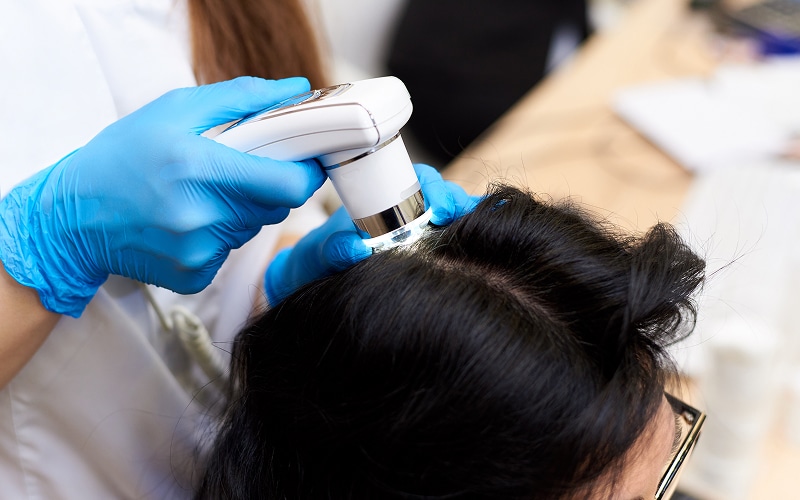
Home care can help maintain the scalp day-to-day, but there are times when shampoo, masks, and leave-on products may not be enough on their own. If you notice ongoing hair thinning, hair loss, or a scalp that is red, painful or very itchy, seek professional care instead of home care solutions.
For oiliness or buildup that home care isn’t clearing, our team can suggest a more targeted treatment after checking your scalp. Our Dead Sea Mud Mineral Scalp Detox Mask, for example, uses mineral-rich Dead Sea mud sourced from Jordan, along with Bee Choo Essence, to deep-cleanse the scalp. It is designed to lift away excess oil, impurities and product buildup, leaving the scalp feeling fresh and comfortable. The treatment does not require steaming and can be used on its own or between sessions of our Signature Herbal Treatment when your scalp needs a reset.
There is no single natural ingredient that works best for every scalp. A dry scalp may benefit from soothing and hydrating ingredients such as aloe vera, while an oily or congested scalp may need a different approach. Likewise, richer oils such as olive oil may be more useful for damaged hair lengths than for the scalp itself.
Bee Choo Origin has specialised in herbal scalp care since 2000. We combine traditional herbal knowledge with modern scalp assessment and treatment methods to help customers understand what their scalp needs, rather than relying on one-size-fits-all solutions. For a more personalised approach, book your first appointment with us today.
Yes, as long as the products are suitable for your scalp and are not causing irritation or excessive buildup. Introduce new products gradually so it is easier to tell how your scalp responds.
Herbal ingredients such as ginseng, green tea, and ginger can support scalp health by helping to maintain a cleaner, calmer, and more balanced scalp environment. This can create a better scalp environment for normal hair growth, but these ingredients should not be viewed as a guaranteed treatment for thinning or hair loss.
Watch for signs such as persistent itching, redness, burning, increased flaking, or tightness after use. If these symptoms appear, stop using the product and reassess whether the formulation is suitable for your scalp.