

 0
0
Two individuals can look at their hair and assume they share the same characteristics. Both may have straight strands, loose waves, defined curls, or tightly coiled hair. Yet when they follow the same routine, one person’s hair may feel soft and manageable while the other struggles with dryness, frizz, or buildup.
Hair type only describes the visible shape of the strand. It does not reveal how the hair absorbs moisture, how the scalp behaves, or how daily conditions affect hair health. These less visible factors often determine how hair reacts to care routines and why results vary so widely.
A key concept behind these differences is hair porosity, which describes how the hair shaft interacts with moisture. Once this idea becomes clearer, it becomes easier to understand why identical routines rarely produce identical results.
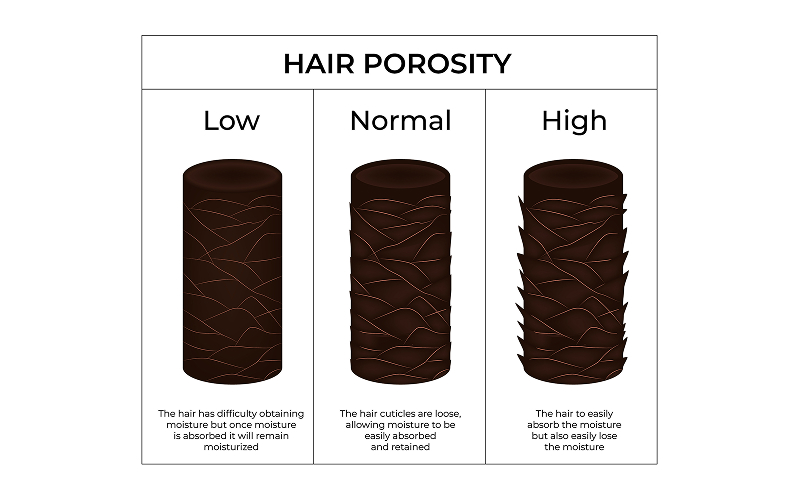
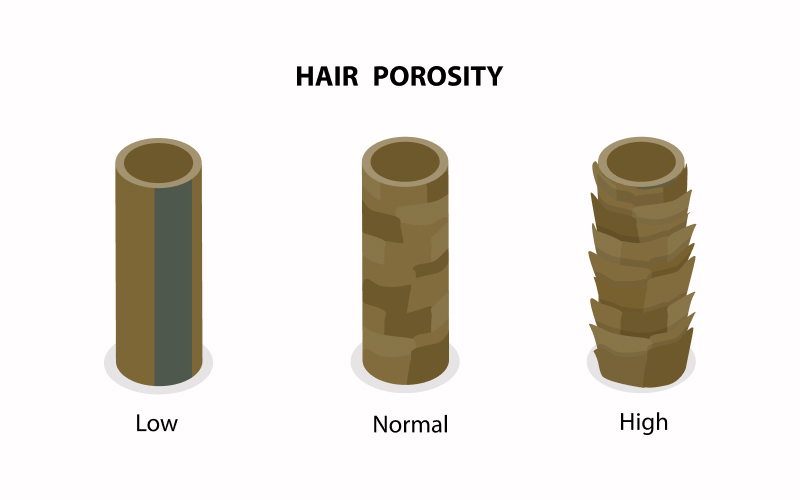
One of the most important reasons two people experience different hair outcomes lies in hair porosity. This refers to how easily water, oils, and nutrients enter and leave the hair shaft.
Hair strands are covered by a protective outer layer called the cuticle. When these cuticle layers lie flat and tightly packed, moisture struggles to penetrate the hair. This is often referred to as low porosity hair. Products may sit on the surface instead of being absorbed, leaving hair feeling heavy or coated.
Hair with higher porosity behaves differently. The cuticle layers are more raised or spaced apart, allowing moisture to enter quickly. While this may seem beneficial at first, the same open structure also allows moisture to escape easily. Hair can therefore feel dry soon after washing or conditioning.
This difference explains why certain routines work well for some individuals but not for others. A moisturising routine designed for highly porous hair might overwhelm low porosity hair, while lightweight products may not provide enough support for hair that loses moisture quickly.
Understanding porosity helps people adjust their approach to hair products, selecting formulations that complement how their strands naturally behave.
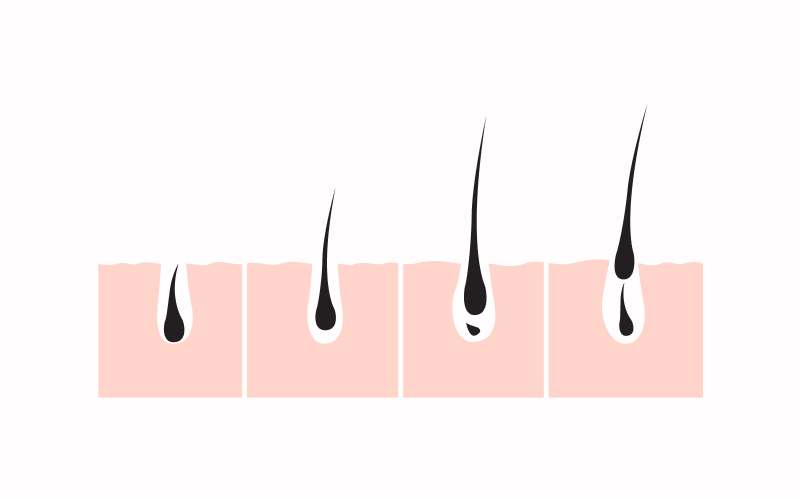
Hair strands grow from follicles embedded in the scalp. The environment created by the scalp plays an important role in how hair looks and feels over time.
An individual with a balanced scalp environment often finds that hair grows with more consistent texture and strength. When the scalp becomes disrupted, however, the hair may begin to show visible changes.
An overly oily scalp may cause strands to appear flat or heavy. A dry or congested scalp can lead to irritation, flaking, or dullness. These differences can affect how hair behaves during styling and how well it responds to regular care routines.
Two people may share the same curl pattern or thickness yet see different results simply because their scalp environments differ. This is why professional guidance sometimes includes evaluating scalp balance alongside hair structure.
Individuals who experience persistent dryness or discomfort may benefit from targeted care such as dry scalp treatment, which focuses on restoring moisture and supporting a healthier scalp environment.
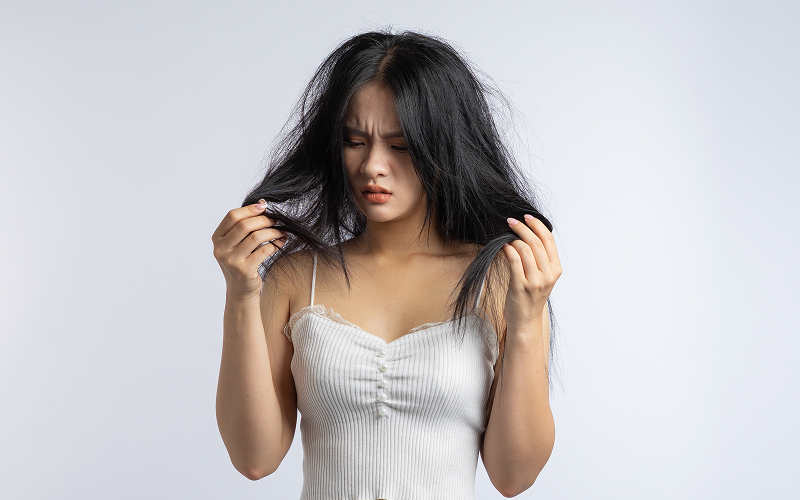
Environmental conditions also play a powerful role in shaping how hair behaves throughout the day.
Humidity, temperature fluctuations, and pollution can all influence the structure of hair fibres. In humid conditions, hair absorbs moisture from the surrounding air. This extra moisture causes the hair shaft to swell, which often leads to frizz or loss of defined shape.
For hair that already has higher porosity, this effect becomes even more noticeable. Moisture enters the strand easily and disrupts its structure, making it harder to maintain smoothness or styling.
People living or working in different environments may therefore see different results despite using identical routines. Someone spending most of the day in air-conditioned spaces might experience less swelling in the hair shaft compared with someone exposed to outdoor humidity.
Environmental exposure also contributes to long-term changes in hair and scalp balance. Recognising these influences helps individuals make adjustments to protect their hair against daily stressors.
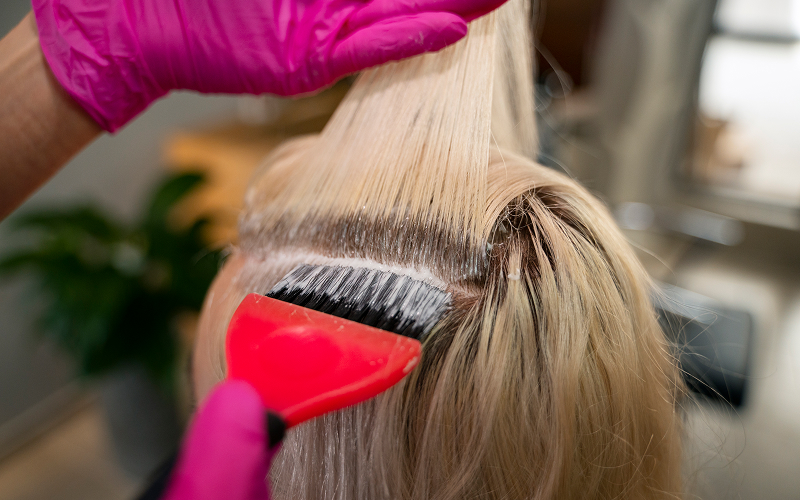
Hair treatments can transform appearance, but they also alter the structure of the hair shaft.
Processes such as colouring, bleaching, perming, or heat styling work by temporarily changing the internal bonds within hair. These procedures may lift or weaken the cuticle layer, which can increase hair porosity over time.
Hair that has undergone repeated chemical or heat treatments often absorbs moisture quickly but struggles to retain it. As a result, the strands may become more vulnerable to dryness, breakage, or frizz.
Two people may appear to have identical hair types, yet their treatment histories can create very different responses to the same routine. One individual may have untreated hair with tightly sealed cuticles, while the other may have strands that have been altered by years of colouring or styling.
These structural differences often explain why identical products or techniques do not produce consistent results across different individuals.
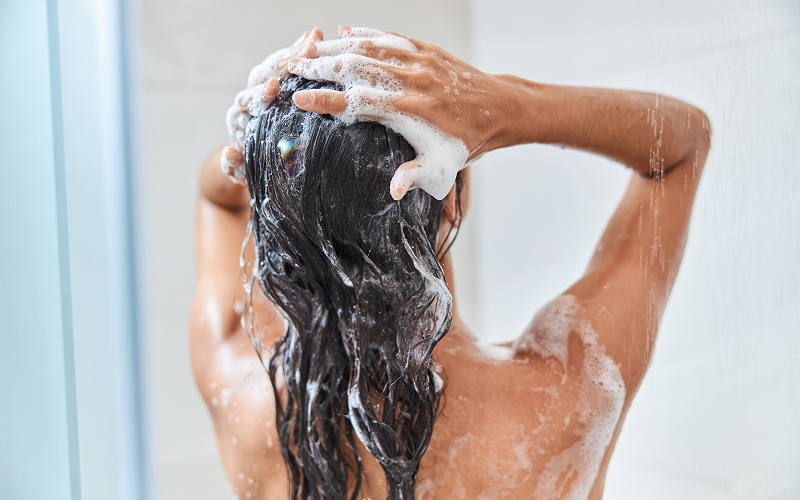
Hair health develops gradually through everyday habits.
Small decisions such as washing frequency, water temperature, and drying methods can influence the strength and appearance of hair over time. Hot water may strip natural oils from the scalp, while rough towel drying can weaken delicate strands.
Lifestyle factors also play a role. Stress levels, sleep quality, and nutrition contribute to overall scalp balance and hair growth patterns. These influences accumulate gradually and shape long term outcomes.
Individuals experiencing persistent thinning or breakage sometimes seek professional evaluation to determine whether deeper concerns are present. In certain situations, supportive options such as hair loss treatment may be recommended as part of a broader hair care strategy.
Consistent daily care remains one of the most powerful ways to support healthier hair. When habits align with an individual’s natural hair structure and lifestyle, results tend to become more stable and predictable.
Two people may share the same hair type, yet their experiences with hair care can be very different. Differences in hair porosity, scalp balance, environmental exposure, treatment history, and daily habits all influence how hair behaves. Recognising these underlying factors helps explain why personalised care often produces better long term results than following a universal routine.
At Bee Choo Origin, hair and scalp care is approached with this understanding in mind. Our herbal-based treatments focus on restoring scalp balance and supporting healthier hair growth through personalised consultation and care.
If you would like professional guidance tailored to your hair and scalp needs, please contact us to learn our specialised treatments can support your journey towards healthier, more manageable hair.