

 0
0
Noticing clumps of hair circling the drain can feel distressing. However, it’s important to understand that some hair fall during a shower is completely normal. Hair naturally sheds as part of its growth cycle, and showering often dislodges loose strands already ready to fall. The key is knowing what’s considered typical, and when you should take a closer look at your hair care or overall wellbeing.
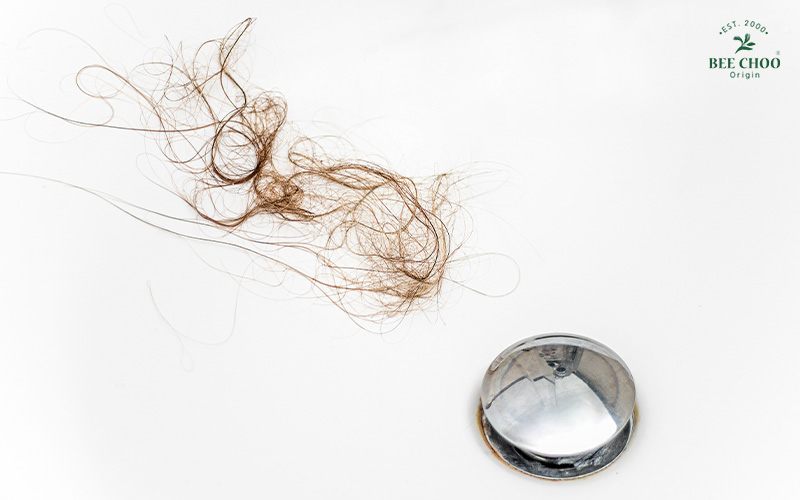
On average, people lose between 50 and 100 hairs a day, and for many, the majority of this hair fall during showers occurs while shampooing or rinsing. The act of massaging your scalp or running your fingers through your hair loosens already-shed strands from the scalp. This is especially noticeable if you haven’t brushed your hair recently, as it allows more fallen strands to build up before release.
However, if your hair keeps falling out in the shower beyond this range, or if you’re seeing noticeably thinner patches, it may be time to reassess your scalp health.
Hair becomes especially delicate when wet. Water causes the hair shaft to swell and stretch, making it more vulnerable to breakage. This means aggressive scrubbing, detangling, or even towel-drying can increase the appearance of hair-fall during a shower, even when it’s actually mechanical breakage rather than root shedding.
Using a wide-tooth comb, applying conditioner before detangling, and avoiding rough towel-drying can help preserve strand integrity.
Heavy styling products, deep conditioners, or leave-in masks can accumulate over time, especially if not rinsed thoroughly. This residue may clog follicles, weigh hair down, and potentially weaken the roots, making large amounts of hair falling out in the shower more noticeable.
To prevent this, consider using a clarifying shampoo once a week to remove product build-up and allow your scalp to breathe.
A sudden spike in hair fall, especially if paired with changes in scalp texture or discomfort, can point to internal imbalances. For example, telogen effluvium, a temporary condition often triggered by stress or illness, may cause excessive shedding weeks after a major life event.
So, can stress cause hair loss? Absolutely. Prolonged emotional or physical stress can prematurely push more hairs into the shedding phase of the growth cycle. Similarly, changes in hormone levels (such as postpartum or menopause) or nutrient deficiencies (especially iron and protein) may disrupt healthy hair growth.
Small changes to your shower routine can go a long way in reducing hair-fall when showering. Use a gentle, sulphate-free shampoo that cleanses without stripping natural oils. Massage your scalp lightly to stimulate circulation, but avoid forceful scrubbing.
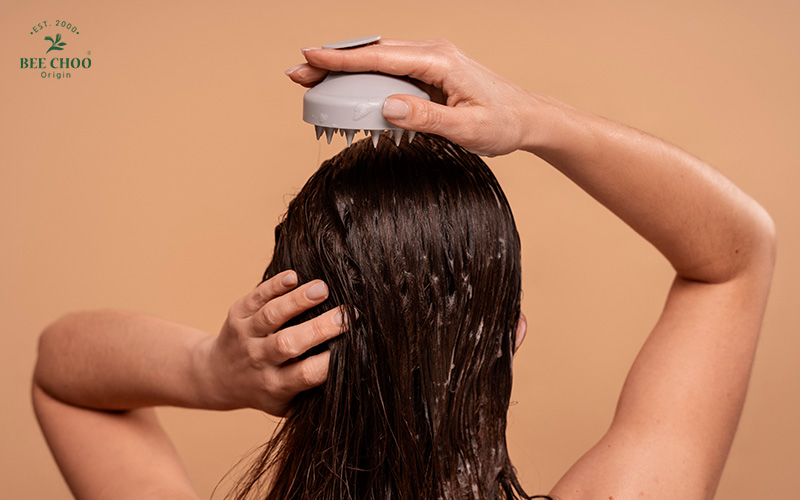
Post-wash, use a microfibre towel and avoid tying wet hair too tightly. Consider air-drying over heat styling when possible. These small acts can prevent breakage and help support stronger hair over time.
In most cases, hair fall during a shower is simply your body’s way of renewing itself. But if you’re noticing a significant increase or signs of scalp distress, it’s worth looking deeper, from the products you use to your overall health and lifestyle.
If you experience hair falling out when taking a bath or notice large amounts of hair in the shower consistently, Bee Choo Origin’s natural scalp care treatments may help restore balance. We use herbal blends to cleanse, nourish, and strengthen the scalp, giving your hair the best chance to thrive.
Visit Bee Choo Origin today to explore our full range of scalp care solutions.